Safety is a critical element for every organization, whether it is an office building, industrial facility, hospital, shopping mall, school, airport, or any other high-traffic environment. Each location requires standardized security services to protect both people and property.
One of the most important roles within any safety framework is the Security Officer. A Security Officer contributes significantly to incident prevention, surveillance, area control, and customer service. In many organizations, well-trained Security Guards also support daily operations to ensure that the premises always remain safe and secure.
What Is a Security Officer?
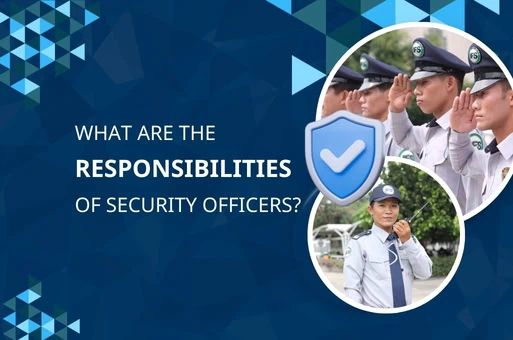
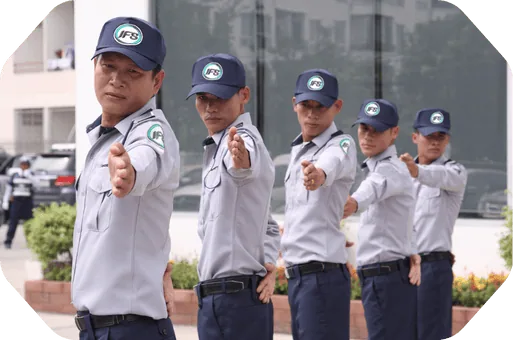
A Security Officer is a trained professional responsible for maintaining the safety of assigned premises and the people within those premises. Their responsibilities include preventing incidents, conducting inspections, managing access control, and monitoring irregularities to protect individuals and organizational assets.
In the modern environment, the role of a Security Officer extends far beyond standing at entrances or performing routine patrols. Today’s Security Guard teams must work with advanced technologies such as CCTV platforms, online patrol systems, automated entry and exit controls, and various alert tools. As these technologies continue to evolve, every Licensed Security Officer must possess a broad skill set that aligns with the increasing sophistication of security operations.
Many organizations choose to partner with an International Standard Security Provider or a Leading Security Company because these providers supply personnel who are properly trained, equipped, and supported by standardized processes. They also offer Professional Security Services that align with regulatory requirements and operational risks.
The Importance of Security Personnel
A secure environment has a direct impact on an organization’s image, credibility, and operational stability. Security Officers are not merely guards standing at specific posts. They play an essential role in the organization’s overall risk management strategy.
1.Reducing the Likelihood of Incidents
A trained Security Officer or on-site Guard can significantly reduce the risk of theft, intrusion, vandalism, and other criminal activities. Officers take preventive measures such as observing suspicious behavior, inspecting high-risk zones, and checking doors and windows to prevent issues before they escalate.
2. Increasing Confidence for Building Users
Employees, customers, visitors, and business partners expect to feel safe when entering any facility. The visible presence of well-trained Security Guards provides reassurance and strengthens confidence in the standards and protocols of the organization.
3.Supporting a Professional Brand Image
Organizations that invest in high quality Security Services demonstrate professionalism, discipline, and a strong commitment to safety. Effective security operations help enhance the organization’s overall brand reputation.
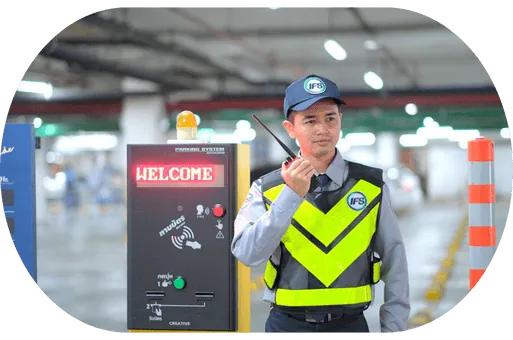
Key Qualifications for Security Officers
Effective security personnel must demonstrate strong personal qualities, professional competencies, and a service-oriented attitude.
1.Completion of Required Security Training and Licensing
A Licensed Security Officer must complete accredited training programs to ensure they understand legal requirements, incident prevention methods, and emergency response procedures.
2.Strong Observational and Analytical Skills
Security work requires sharp awareness and the ability to recognize unusual behavior, suspicious objects, or potential risks. A capable Security Officer must be able to assess situations quickly and respond appropriately.
3.Professional Appearance, Courtesy, and Service Mindset
Because Security Officers and Security Guards interact frequently with visitors, their appearance, communication skills, and level of courtesy strongly influence first impressions of the organization.
4.Physical Readiness and Ability to Work in Rotating Shifts
Security operations typically run around the clock. Officers must therefore be physically and mentally prepared to work through rotating shifts.
5.Ability to follow Standard Operating Procedures (SOPs)
Security personnel must be able to follow clearly defined SOPs, including patrol routines, shift handovers, reporting procedures, and emergency protocols. These practices ensure consistency and reliability across all Security Services.
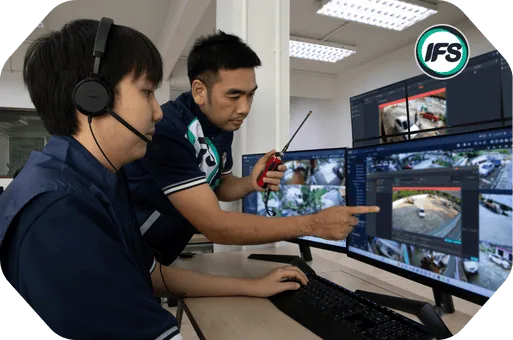
What do Security Officers do?
Security Officers and Security Guards perform a wide range of duties that go far beyond common assumptions.
1.Patrol and Surveillance
Security Officers conduct regular patrols across key areas such as:
- Hallways.
- Warehouses and storage zones.
- Parking areas.
- Restricted or high-risk locations.
- Access points and security systems.
Patrols help maintain safety, detect abnormalities, and ensure that operations remain uninterrupted.
2.Access Control
Access control is one of the most critical responsibilities performed by Security Guard teams. It includes the following tasks:
- Verifying employee identification.
- Registering visitors.
- Inspecting vehicles entering and exiting the premises.
- Recording assets that pass-through access points.
Effective access control significantly reduces theft and prevents unauthorized entry.
3.Emergency Response and Coordination
In the event of fire, accidents, or abnormal situations, Security Officers must:
- Raise alerts promptly.
- Coordinate with internal and external response teams.
- Control the scene to minimize risks.
- Prepare accurate incident reports.
Well-trained officers ensure that critical situations are managed calmly and efficiently.
4.Customer Service Support
Security personnel often serve as the first point of contact for visitors. Their customer service responsibilities include:
- Giving directions within the facility.
- Greeting visitors.
- Providing initial coordination with operational teams.
Professional and service minded behavior enhances the organization’s image and aligns with modern expectations for Professional Security Services.
5.Operating Security Technologies
Today’s Security Officers must operate a variety of essential technologies, including:
- CCTV monitoring systems.
- Automated access control platforms.
- Guard tour and checkpoint systems.
These tools support accuracy, compliance, and traceability throughout all Security Services.
Equipment used in Security Operations
Security teams rely on specialized tools to carry out their duties effectively. These tools include:
- Flashlights.
- Two-way radios.
- Reflective vests.
- Guard tour checkpoint devices.
These items support operational readiness and help maintain a secure environment.
Are “Guards” and “Licensed Security Officers” different?
Although the terms are sometimes used interchangeably, there are important distinctions between them. The term Guard often refers to personnel who perform basic security duties without formal training or licensing. Their performance typically depends on the guidance of the employer, and therefore standards can vary significantly.
A Licensed Security Officer is a trained professional who must:
- Complete certified training programs.
- Hold a legally required security license.
- Comply with formal safety and operational standards.
- Operate security technologies such as online patrol systems and electronic access controls.
Licensed personnel often work under an International Standard Security Provider or a Leading Security Company that maintains high levels of training, auditing, and quality assurance.
Summary
Security Officers play a vital role in maintaining safe, efficient, and well managed environments. Their responsibilities include incident prevention, access control, patrol operations, emergency support, and customer service.
To raise security standards, organizations are encouraged to work with a Leading Security Company that supplies trained professionals, modern technology, and reliable operating procedures.

Security Services by IFS Facility Services
IFS is a leading provider of integrated Security Services in Thailand. With more than forty years of experience and over thirty thousand trained personnel, the company delivers reliable and high-quality solutions nationwide.
IFS offers key strengths such as:
- Rigorous staff selection and training.
- Compliance with the Security Business Act.
- Technology driven patrol and monitoring operations.
- The IFS Command Monitoring and Control Center.
- Tailored security solutions aligned with client KPIs and SLAs.
During peak seasons or large public events, IFS can also provide Holiday Security Services and Festival Security Services to help clients manage increased risks.
Frequently Asked Questions About Sercurity Guard
Q : Do Security Officers need a license?
Yes. A Licensed Security Officer must hold a valid license confirming that they have completed mandatory training and meet legal requirements.
Q : How many shifts do Security Officers work?
Most facilities operate on a three-shift schedule to ensure twenty-four-hour coverage.
Q : What training topics do Security Officers need to complete?
Training includes basic legal knowledge, incident prevention, emergency response, and operation of security technologies.
Q : Why should organizations choose an international standard provider?
An International Standard Security Provider follows structured recruitment and training systems, clear SOPs, and consistent quality control. This results in safer and more reliable operations.
Q : What defines a Leading Security Company?
A Leading Security Company maintains clear service standards, ongoing staff development, integrated technology, and strong quality assurance systems.
Q : Can Security Officers handle emergencies?
Yes. Trained Security Officers can assess situations, respond immediately, and coordinate with authorities.
Q : What should be done in the event of a crime?
Officers must secure the area, notify relevant authorities, and document the incident according to established procedures.
Q : Are additional measures needed during long holidays?
Yes. Many organizations choose additional patrols or specialized Holiday Security Services to address increased risks.
Q : Do Security Officers need customer service skills?
Yes. Because they often serve as the first point of contact, communication skills and professionalism are essential.
Q : How is the cost of Security Services calculated?
Pricing depends on site characteristics, the number of required officers, risk levels, operational hours, and the types of security technologies in use. A site survey is usually needed before providing a formal proposal.
If you are seeking a reliable security solution, IFS Facility Services is a trusted partner with decades of experience and proven capability. The company delivers dependable and professional security services to leading organizations across Thailand.
View more details about IFS Security Services. Click here.
Request a consultation or schedule a free site assessment. Click here.