BIRD CONTROL SERVICES
Bird control services provide a systematic approach for organizations that need long-term solutions to bird-related problems. Rather than simply scaring birds away temporarily, this service focuses on addressing the root causes, including bird behaviour and building structures that attract birds for perching, nesting, or shelter.
Bird problems often begin with small signs such as droppings on awnings or building signage. Over time, these issues can develop into broader concerns related to cleanliness, hygiene, safety, and corporate image. Without proper prevention, birds tend to return repeatedly to the same locations.
IFS Group designs bird control services based on how buildings are actually used. The service includes site inspection, analysis of bird behaviour, selection of appropriate bird deterrent materials, professional installation, and long-term monitoring. All work is performed under standards for safety, hygiene, and facility management to help organizations maintain uninterrupted building operations without recurring bird problems.
IFS is pleased to provide consultation through our team of specialists to evaluate the most appropriate approach before service implementation.
KEY FACTS ABOUT BIRDS IN BUILDINGS
Common Birds Found Around Buildings
In urban environments and large buildings, commonly observed species include pigeons, mynas, sparrows, and swallows. These birds adapt well to high-rise structures and modern building designs, particularly in locations that offer shelter and nearby food sources.
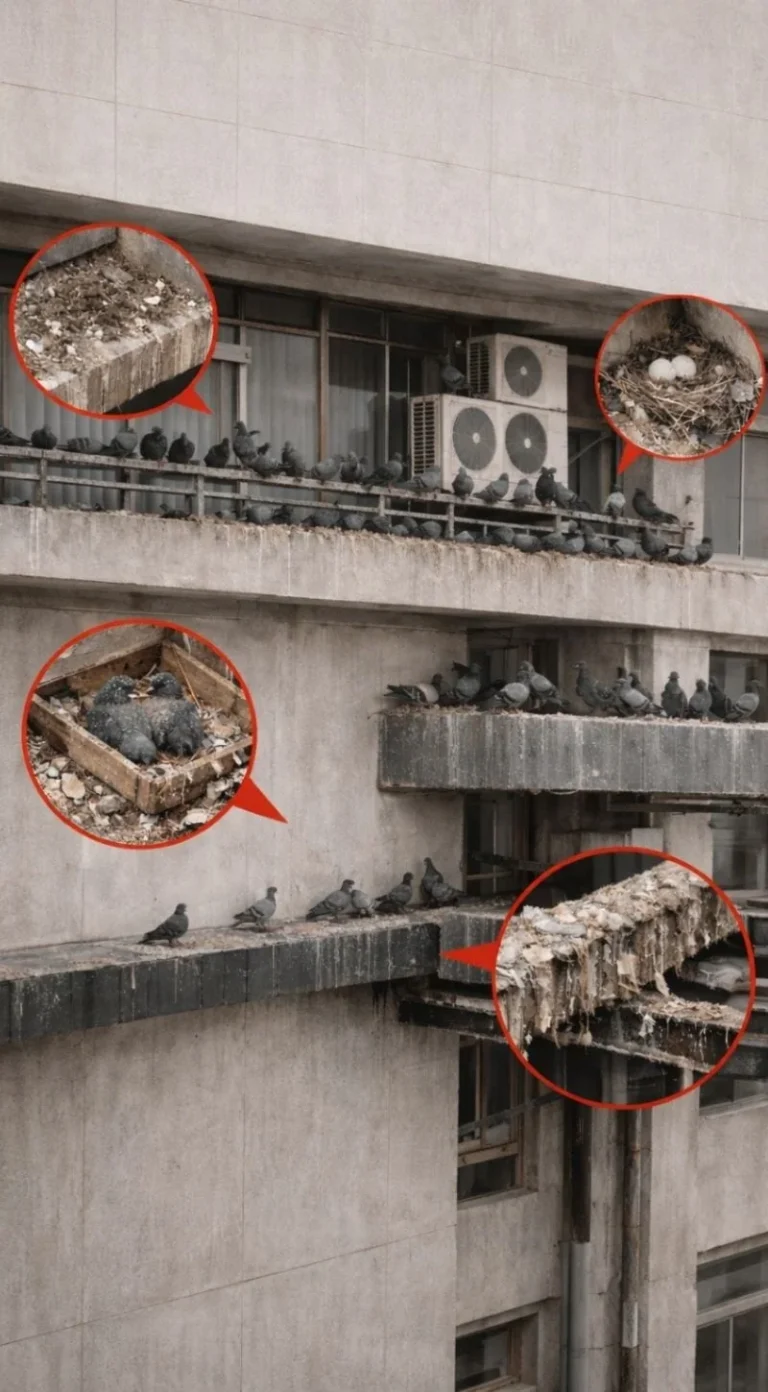
Birds often select buildings because the structures provide conditions similar to natural habitats. Features such as beams, awnings, roof edges, ledges, and signage can function like natural perches or nesting locations. When these areas are not protected, birds quickly learn and repeatedly return to the same locations.
Common Nesting and Perching Locations
Birds frequently gather or nest in the following areas:
- Awnings and roof edges.
- Building signage and advertising structures.
- Steel beams and elevated structures.
- Air vents and ventilation openings.
Warning Signs of Bird Activity
Early signs that bird problems may be developing include:
- Accumulated bird droppings on floors or structures.
- Nesting materials falling from overhead areas.
- Drainage systems becoming blocked without clear cause.
- Repeated bird perching in the same location.
Temporary bird deterrents such as noise devices typically provide only short-term relief. Birds can adapt quickly to disturbances and will return if building structures continue to provide suitable resting locations.
Health and Hygiene Risks
Bird droppings and nests can harbour bacteria, fungi, and parasites that may affect respiratory health and overall hygiene. These risks are especially important in buildings with high occupancy or strict hygiene standards such as hospitals, food production facilities, and large office buildings.
Managing bird activity is therefore not only a cleanliness issue but also part of broader organizational health and safety risk management.
IFS BIRD PEST CONTROL APPROACH
IFS Group provides bird control services focused on prevention and control without harming birds. The goal is to manage the environment and prevent birds from occupying building structures.
Bird Control Systems and Equipment
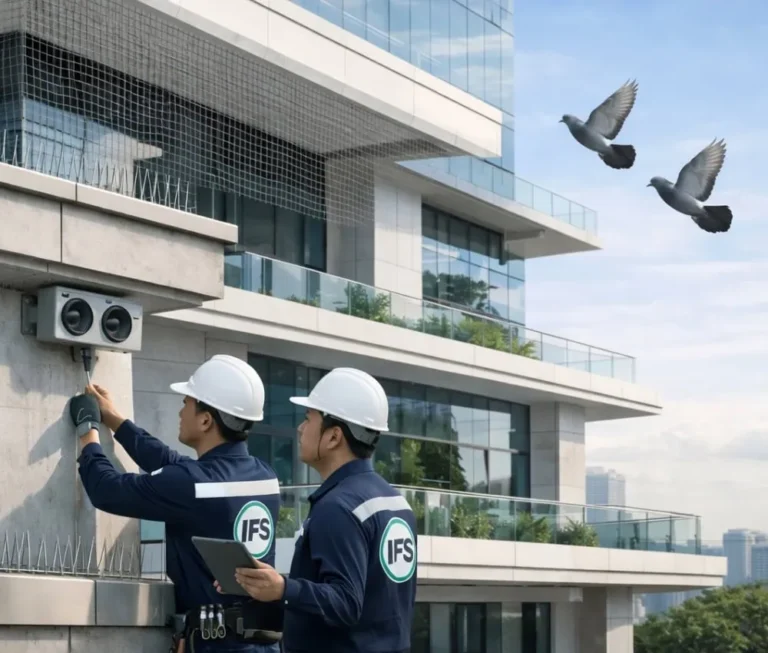
IFS may use several control solutions depending on building characteristics and risk levels:
- Bird netting to block nesting and roosting areas.
- Bird spikes to prevent birds from perching on ledges, beams, and signage.
- Bird repellent gel applied to surfaces to create a sticky texture that discourages perching.
- Ultrasonic bird deterrent devices that emit high-frequency sound waves intended to discourage bird activity.
The choice of system depends on building design, operational use, and the level of bird activity present.
IFS BIRD PEST CONTROL SERVICE PROCESS
Effective bird management requires an understanding of animal biology and behaviour, including food sources, water availability, shelter areas, and building structures that support nesting.
IFS integrates scientific principles with practical experience managing corporate facilities through the following process:
Site Inspection and Risk Assessment

Analysis and Planning

Implementation of Control Measures


Monitoring and Reporting

Long-Term Prevention Planning
Site Inspection and Risk Assessment
Analysis and Planning
Implementation of Control Measures
Monitoring and Reporting
Long-Term Prevention Planning
FREQUENTLY ASKED QUESTIONS ABOUT BIRD CONTROL SERVICES
What types of buildings benefit from bird control services?
Office buildings, factories, hospitals, shopping centres, and facilities that require high hygiene and safety standards.
Will bird deterrent installations damage building structures?
No. The equipment used is designed specifically for building applications and is installed in a way that avoids structural damage and allows future adjustments if needed.
How long does bird netting typically last?
Lifespan depends on the material and environmental conditions. When appropriate materials are selected and installed correctly, netting can last for several years.
Is ongoing maintenance necessary?
Periodic inspections help ensure the system continues to function effectively and allow adjustments if bird behaviour changes.
Is bird control legal under wildlife protection regulations?
Yes. The service focuses on managing building spaces without harming animals and follows legal and ethical urban wildlife management practices.
Can IFS provide services for only certain areas of a building?
Yes. Bird control systems can be designed to focus on specific high-risk areas to suit operational needs and budget.
How does this differ from typical bird deterrent services?
General bird deterrent solutions often provide short-term results. IFS focuses on structural and behavioural analysis to prevent birds from returning over the long term.
How long does installation take?
The timeline depends on the size and complexity of the building. Smaller areas may take about one day, while larger installations require additional time.
What factors determine service cost?
Pricing depends on area size, number of risk points, equipment type, and structural complexity. A site inspection is required before proposing a plan and quotation.
10. Can organizations request consultation before making a decision?
Yes. Organizations can contact IFS to request consultation and a preliminary site assessment before selecting the most appropriate solution.
Request for a Free Consultation and Site Assessment by Our Experts
IFS provides professional pest prevention and control services and will recommend a control plan suited to your facility and risk profile.
IFS provides professional pest prevention and control services and will recommend a control plan suited to your facility and risk profile.