RODENT CONTROL SERVICES
Rodent activity in buildings and business facilities is not a minor issue. It creates direct risks to hygiene, building system safety, and organizational credibility. IFS provides rodent control services designed specifically for business environments, with a focus on systematic planning, long-term prevention, and continuous follow-up. This enables organizations to operate with confidence while maintaining sanitation and safety standards.
IFS is pleased to provide consultation through our team of specialists to evaluate the most appropriate approach before service implementation.

RODENT FACTS
Rodents are highly adaptable and skilled at hiding. They often live in areas with accessible food, water, and shelter, such as factories, warehouses, office buildings, restaurants, and distribution centres.
Even limited rodent activity should be treated as an early warning sign. It may indicate nesting locations, regular travel routes along walls, piping, and service corridors, or the presence of accessible food and water sources. Common signs include droppings, grease marks, gnaw marks, and movement noises in ceilings or roof voids.
From a business perspective, rodents are not simply a nuisance. They create standards-related and financial risks through product contamination, property damage, and potential impacts on external audits. Without early, systematic control, rodent activity can escalate quickly and become significantly more costly over time.
Rodent Life Cycle and Why Continuous Control Matters
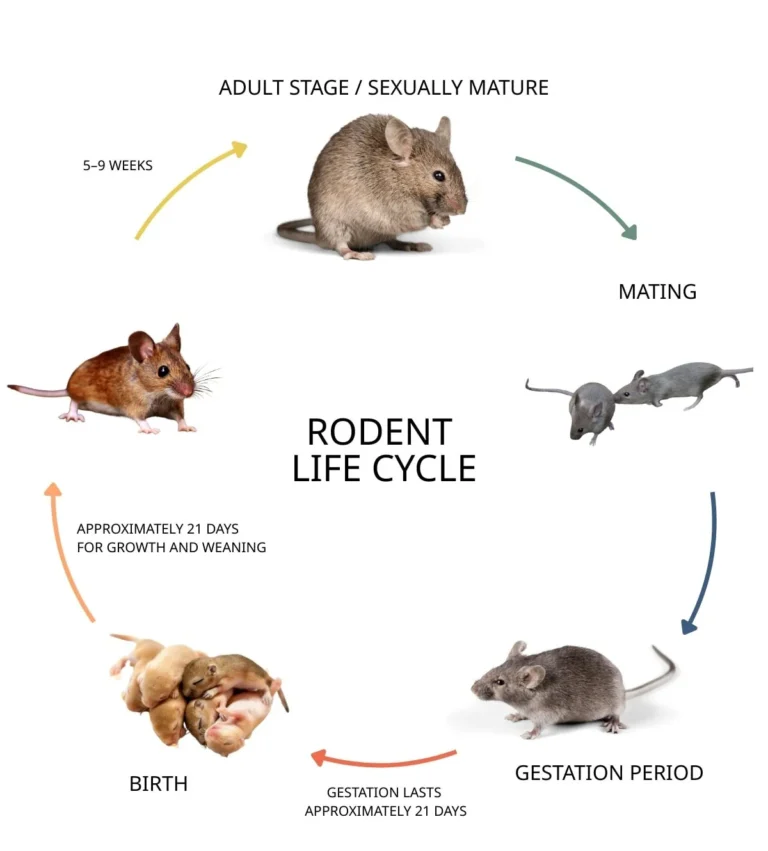
Rodents have a short life cycle and reproduce quickly. They can breed within a few months of birth and produce multiple litters each year. Their short gestation period allows populations to increase rapidly if not properly managed.
In practical facility management terms, a one-time rodent removal service is not sufficient. Without continuous monitoring and prevention, rodent activity is likely to return. For this reason, IFS designs rodent control services that address current rodent activity, prevent recurrence, and include follow-up with plan adjustments based on real site conditions.
Rodent Risks Organizations Should Understand
Rodents can create multiple operational impacts, including:
- Gnawing on electrical wiring and equipment, leading to building system damage.
- Contaminating food, raw materials, and products.
- Building nests in ceilings, roof voids, and hidden areas.
- Affecting the ability to pass hygiene and sanitation inspections.
- Damaging corporate reputation and customer confidence.
These risks require specialist management that considers both technical control and organizational operating context.
Rodent-Related Diseases and Organizational Risk
Rodents can carry diseases and contamination risks that may affect employees and building occupants. These risks are directly related to workplace hygiene and safety responsibilities, as well as compliance expectations.
Common examples include:
- Leptospirosis: exposure to water or surfaces contaminated with rodent urine may lead to fever, muscle aches, and potentially severe illness without treatment.
- Foodborne bacterial contamination: rodents can contaminate surfaces, materials, and food through droppings, urine, or contact, affecting food safety and sanitation compliance.
- Parasites carried by rodents: ticks, fleas, and mites may cause irritation, allergic reactions, or serve as vectors for other diseases.
For organizations, these risks extend beyond individual health. They can affect compliance outcomes, sanitation responsibilities, and customer trust.
IFS RODENT CONTROL SERVICES PROCESSES
IFS provides two primary rodent management methods, selected based on site characteristics and risk level. This approach supports safe, verifiable control and avoids short-term fixes.
Rodent Bait Station System
Designed for safe and systematic population control.
- Layout planning for bait station placement at risk points.
- Use of secure, compliant bait stations.
- Inspection and recording of bait consumption.
- Ongoing monitoring and plan adjustment.
Rodent Trapping
Suitable for areas where toxic bait is not appropriate, such as food production or sensitive areas.
- Use of glue boards or cage traps.
- Placement along movement routes.
- Integrated with the site-wide control plan.
- Ongoing monitoring and plan adjustment.
Key Strengths of IFS Rodent Control Services
Site inspection
and risk assessment.

Planning and design
of control points.

Safe, standards-based
device installation.


Service reporting.

Service reporting.

Ongoing support
to reduce long-term risk.
Site inspection
and risk assessment.
Planning and design
of control points.
Safe, standards-based
device installation.
Follow-up inspections
and plan optimization.
Service reporting.
Ongoing support
to reduce long-term risk.
Frequently Asked Questions About Rodent Control Services
What types of businesses are these services suitable for?
Factories, office buildings, warehouses, distribution centres, hotels, restaurants, and any facility that needs systematic rodent control.
How long does it take to see results?
Improvement is typically seen within a few weeks, depending on infestation level and site conditions.
Is there a site survey before work begins?
Yes. IFS conducts an on-site survey to identify risk points, movement routes, and nesting areas before designing a suitable control plan.
Is the service safe for employees and building occupants?
Yes. We use standards-based devices, install them at appropriate locations, and clearly designate placement points to reduce accidental contact risk.
Why is ongoing service recommended?
Rodents reproduce quickly and can re-enter facilities. Continuous service supports monitoring and helps prevent recurrence effectively.
Do you provide service reports?
Yes. Reports include installation points, inspection results, infestation trends, and recommendations to support site management and audits.
How is pricing determined?
Pricing depends on the site type and complexity of on-site conditions. A site assessment is required before providing a quotation.
Why use ongoing service instead of one-time control?
Rodents reproduce quickly and may return if environmental conditions remain favourable. Ongoing service supports monitoring, reduces recurrence, and allows plan adjustments based on real site conditions.
Do clients need to prepare anything?
Clients are encouraged to reduce attractants by storing food and materials securely, managing waste properly, and sealing basic entry points where possible. If needed, IFS can provide practical improvement recommendations based on the site.
What are early warning signs of rodent activity?
Common signs include droppings, gnaw marks, grease marks along walls, noises in ceilings, localized musty odours, or rodent sightings during daytime. If these signs are present, organizations should begin rodent pest control services early to limit escalation.
Request for a Free Consultation and Site Assessment by Our Experts
IFS provides professional pest prevention and control services and will recommend a control plan suited to your facility and risk profile.