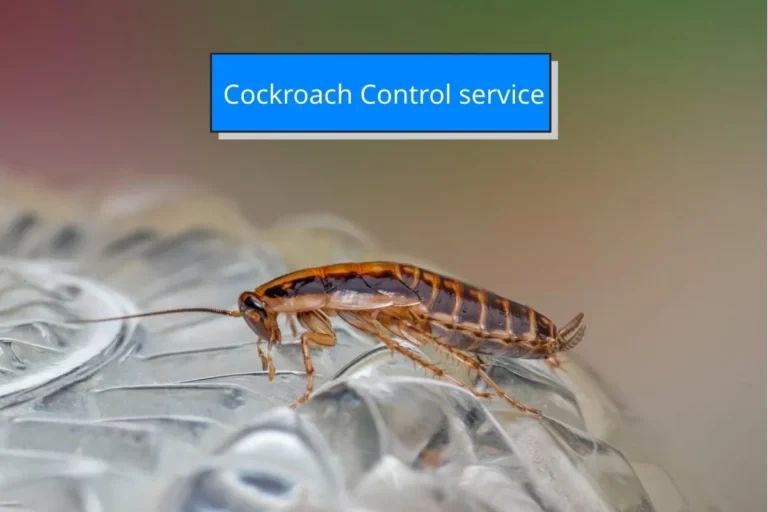
COCKROACH CONTROL SERVICES
Cockroaches are not only a nuisance. They are also disease carriers that can significantly impact hygiene, organizational reputation, and overall quality of life for occupants. For this reason, selecting a professional and effective cockroach pest control service is essential for homes, residential buildings, office buildings, industrial facilities, hotels, restaurants, and any site that must maintain strict sanitation and hygiene safety standards.
IFS delivers services based on the principle of targeted elimination, continuous control, and long-term prevention of recurrence. We operate under an integrated pest management framework and prioritize occupant safety, environmental responsibility, and compliance with international standards. This ensures reliable performance and long-term safety.
IFS is pleased to provide consultation through our team of specialists to evaluate the most appropriate approach before service implementation.
COMMON COCKROACH SPECIES IN THAILAND
Effective cockroach control begins with accurate species identification. Each cockroach species has different physical characteristics, behaviour patterns, habitats, and spread dynamics. In Thailand, approximately 12 species have been reported. However, the 2 most common and operationally important species in residential buildings and business facilities are:
- American Cockroach.
- German Cockroach.
Selecting the right control method for each species is critical for sustainable control. A single approach applied to all species may be ineffective and can increase the risk of recurrence.
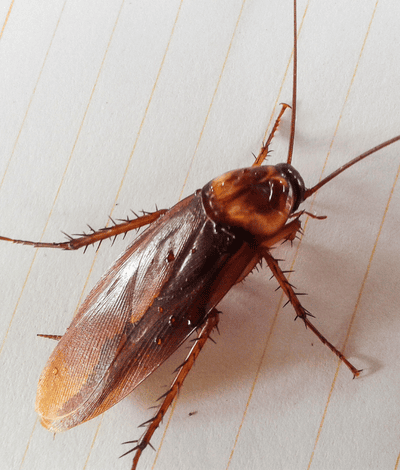
American Cockroach
The American cockroach is a large species, typically about 3 to 4 cm in body length. It is dark reddish-brown, with wings similar in colour to the body. A distinct dark marking on the thorax is often used for identification. Males have longer wings than females and can fly short distances.
This species is commonly found in humid, enclosed areas such as drainage systems, bathrooms, storage rooms, under floors, and locations with persistent moisture. It typically stays close to water and waste sources, moves quickly, and is highly adaptable to harsh conditions.
Behaviour and Reproduction
American cockroaches are primarily nocturnal and hide during the day in cracks, wall gaps, and pipe systems. Around 7 days after reaching adulthood, they begin reproducing. Females typically produce egg cases about 7 to 14 days after mating. Eggs are contained in a dark-brown egg case (ootheca) approximately 8 mm long.
Females initially carry the egg case near the end of the abdomen before depositing it in protected areas such as wall crevices. Each egg case contains about 14 to 28 eggs. Over a lifetime, a female may produce approximately 10 to 90 egg cases. Without systematic control, infestations can expand rapidly.
Life Cycle and Development
Eggs typically hatch within about 30 to 45 days. Nymphs then develop through several moults and require approximately 150 days to reach adulthood. Adult cockroaches can live for up to about one year, allowing repeated reproduction cycles. Effective cockroach control services should therefore address all life stages, including egg, nymph, and adult, to interrupt reproduction effectively.
Hygiene Risks and Operational Impact
American cockroaches often live in drainage systems and sewage-related areas, creating a high risk of bringing pathogens into operational spaces, particularly kitchens, food preparation zones, and raw material storage areas. This can directly affect sanitation and food safety standards.
Beyond health risks, cockroach sightings can trigger customer complaints and damage business reputation. Preventive control under a structured pest control program is an important risk-reduction measure.
Recommended Control Approach
Sustainable control should begin with a site inspection to identify risk points and harbourage areas such as pipe systems, structural cracks, humid zones, and residue buildup. Environmental improvements should reduce water, food sources, and shelter.
Targeted control methods should then be applied based on-site conditions, followed by continuous monitoring. Combining cockroach control services with a long-term plan helps reduce recurrence and supports sustained sanitation standards.
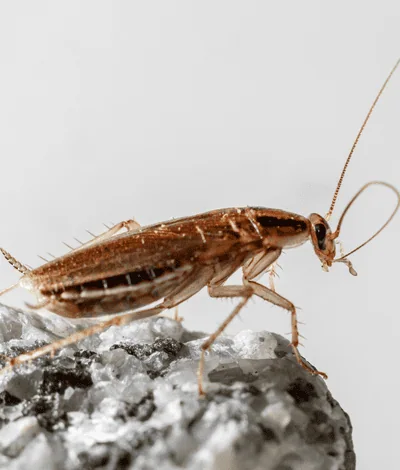
German Cockroach
The German cockroach is the most common cockroach species found in buildings and business facilities. It is small, typically 12 to 16 mm long. The body and wings are light brown to yellowish-brown, with two dark longitudinal stripes on the thorax. Females are usually darker, larger, and heavier than males.
This species does not fly over long distances, but it moves quickly and hides effectively. It is most often found indoors in kitchens, restaurants, offices, staff rooms, and areas with available food, warmth, and moisture. Common harbourage points include behind refrigerators, under sinks, inside electrical panels, and near appliances.
Behavior and Reproduction
German cockroaches may forage during both day and night, especially where food is abundant. After reaching adulthood, they can mate within about 7 to 10 days. Females carry egg cases until the eggs are fully developed, which typically takes about 2 to 4 weeks.
Each egg case contains about 16 to 30 eggs. Over a lifetime, a female may produce about 4 to 8 egg cases, and sometimes more under favourable conditions. This contributes to rapid population growth if not controlled using appropriate methods.
Life Cycle and Development
Eggs typically hatch within about 30 to 60 days. Nymphs moult multiple times before becoming adults. Because this species has a relatively short life cycle, populations can increase rapidly even in limited spaces.
Adults live for an average of about 100 days, which still allows multiple reproduction cycles. A successful control plan must cover eggs, nymph, and adult stages to interrupt reproduction.
Hygiene Risks and Compliance Impact
German cockroaches are commonly found in food preparation and indoor operational areas, creating a high contamination risk for food, utensils, and contact surfaces. This is especially critical in restaurants, food production facilities, and healthcare settings where hygiene standards must be strictly maintained.
Even low-level sightings can reduce customer confidence and affect sanitation audits or quality-system evaluations. Systematic pest control is therefore essential to reduce risk and maintain required standards.
Recommended Control Approach
Effective control typically requires an integrated approach. It begins with a detailed inspection to locate harbourage points and spread areas such as appliance bases, wall gaps, and structural cracks. Environmental improvements reduce conditions that support infestation.
Control is then applied through targeted methods such as gel baits, supported by sanitation measures that reduce access to food and water. Ongoing monitoring through cockroach control services helps minimize recurrence and maintain long-term control.
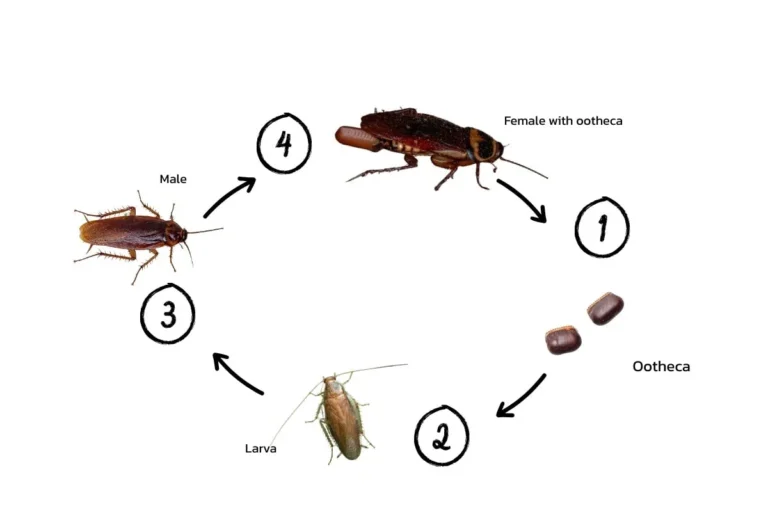
WHY COCKROACHES ARE DIFFICULT TO ELIMINATE
One major reason cockroaches are difficult to eliminate is their short life cycle and high reproduction rate. If any stage is missed, populations can rebound quickly. The cockroach life cycle includes three stages: egg, nymph, and adult. Females lay eggs multiple times throughout their lifespan, with dozens of eggs in each egg case. These eggs can develop into adults within a few months. Effective cockroach control services must therefore address all stages of life and include ongoing monitoring under a structured program.
EFFECTIVE COCKROACH PEST CONTROL STRATEGY
Long-term cockroach management requires an integrated approach rather than temporary spraying. The process should begin with inspection and assessment to identify species and infestation level. Control methods are then selected based on site conditions, including targeted treatment, cockroach bait systems, and sanitation improvements to reduce food, water, and harbourage.
Monitoring and long-term prevention planning are essential components of a quality service, particularly in facilities that must maintain strict sanitation standards. Monthly or annual pest control programs help reduce recurrence risks and support a safe, compliant environment over time.
IFS COCKROACH PEST CONTROL SERVICE PROCESS
IFS provides cockroach control through a structured service process that addresses root causes and supports long-term prevention.
1.Site Inspection and Assessment
Our team conducts a detailed inspection to identify cockroach species, infestation level, harbourage areas, movement routes, and risk factors such as food sources, water access, moisture, and structural cracks. Findings are used to design a site-appropriate control plan.
2.Planning and Method Selection
Based on the survey, IFS develops a service plan tailored to the site and species. Integrated methods may include targeted treatment, gel bait applications, and trapping devices. We prioritize safety for occupants, pets, and the environment.
3.Targeted Control Implementation
Services are performed according to plan, focusing on high-risk and harbourage areas such as beneath appliances, wall gaps, pipe systems, and humid zones. Standard procedures are used to reduce chemical drift and maximize control effectiveness.
4.Sanitation and Prevention Recommendations
IFS provides practical sanitation guidance for site users, such as waste management, removal of grease and food residue, reducing standing water, and sealing gaps or cracks to prevent re-entry and re-infestation.
5.Follow-Up and Monitoring
IFS conducts follow-up inspections to evaluate effectiveness. If activity persists, the plan is adjusted or additional measures are applied. Continuous monitoring helps ensure sustainable control.
6.Service Reporting and Preventive Guidance
IFS provides service reports to document findings, infestation trends, actions taken, and preventive recommendations. This supports transparency, professional standards, and compliance expectations.
FREQUENTLY ASKED QUESTIONS ABOUT COCKROACH CONTROL SERVICES
What types of locations are these services suitable for?1. What types of locations are these services suitable for?
Homes, condominiums, office buildings, restaurants, industrial facilities, hotels, and any site that must maintain strict sanitation standards. Service plans are adjusted based on site conditions, infestation levels, and operational constraints.
How should we prepare before service?
Store food and utensils securely, clear items from floors and hard-to-access areas, clean grease residue in kitchens, and ensure access to areas under sinks, behind refrigerators, and around pipe routes.
How long does the service take?
Service time depends on area size and infestation level. In many cases, it ranges from about 30 minutes to several hours. For larger sites or multiple risk points, the team will assess and communicate the service plan before starting.
When will we see results after service?
Results are often noticeable within 24 to 72 hours, depending on species, harbourage conditions, and selected methods such as gel baits and environmental management. Follow-up is part of the service approach to ensure effective control.
Why do cockroaches return after self-spraying?
Common causes include remaining eggs or nymphs, continued access to food and water, and hiding in hard-to-reach areas. Professional services focus on life-cycle interruption and sanitation improvements, which reduces recurrence more effectively.
How many visits are needed for control?
For light infestation, control may be achieved within 1 to 2 visits. For ongoing issues or high-risk sites such as kitchens, restaurants, or industrial facilities, ongoing service plans are recommended for consistent control.
Are chemicals heavily used, and are they safe?
IFS applies targeted treatment only where necessary and uses risk-reduction measures for occupants and the environment. For sensitive sites with children, elderly occupants, or pets, the plan can be adjusted with advance notice.
Can service be provided if there are pets on-site?
Yes. Please inform the team in advance so we can plan appropriate work areas and precautions, such as temporary area separation, securing food and water bowls, and avoiding frequent contact zones. Clear guidance is provided before and after service.
What should we do if cockroach activity returns after service?
Contact IFS for further assessment. Recurrence may occur due to new harbourage points, pipe system gaps, or unresolved sanitation factors. Follow-up and reinforcement measures are part of a systematic pest control program.
Should we choose monthly or annual service plans?
Cockroaches can return due to factors such as seasonal changes, humidity, or new items introduced into the space. Monthly or annual plans focus on prevention, with regular inspections and monitoring. This is recommended for sites that must maintain consistent sanitation and protect organizational reputation.
Request for a Free Consultation and Site Assessment by Our Experts
IFS provides professional pest prevention and control services and will recommend a control plan suited to your facility and risk profile.