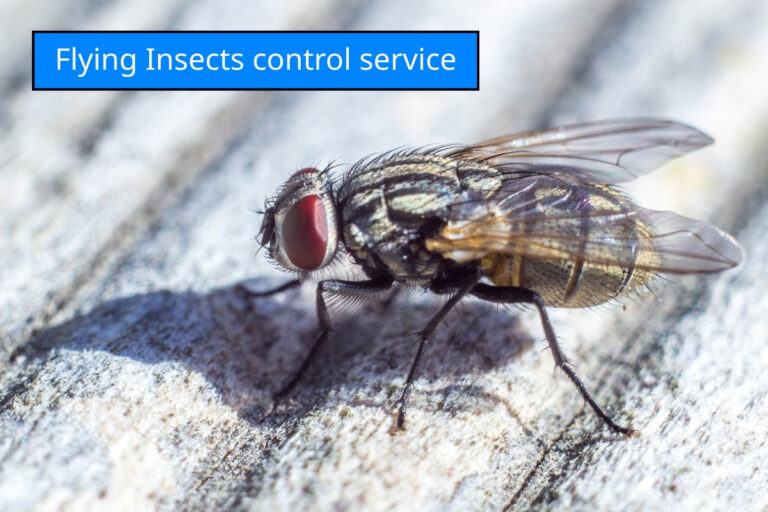
FLYING INSECT CONTROL SERVICES
Flying insects such as flies and fruit flies are more than a nuisance. They are important disease vectors and can pose direct risks to hygiene, food safety, and an organization’s reputation. These insects can carry bacteria, viruses, and other pathogens from contaminated sources into food preparation areas, workplaces, and equipment within buildings. This risk is particularly significant in industrial facilities, residential buildings, office buildings, hotels, hospitals, and food-related businesses.
IFS provides flying insect control services designed specifically for organizations. Our service approach covers source identification, life-cycle management, and systematic monitoring. With more than 40 years of experience and service standards trusted by leading organizations, IFS supports effective control of flying insects while maintaining hygiene and safety requirements.
IFS is pleased to provide consultation through our team of specialists to evaluate the most appropriate approach before service implementation.
FLY FACTS AND LIFE CYCLE
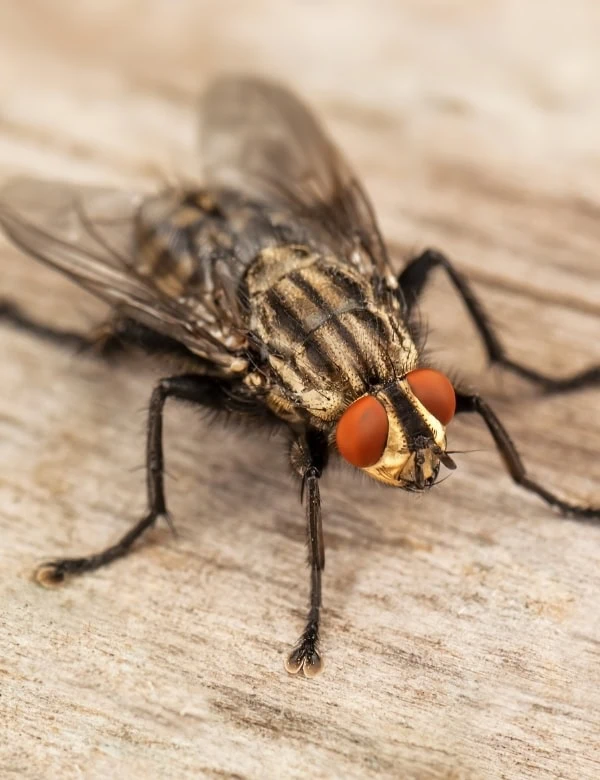
Flies are among the most common flying insects found in areas with food, waste, and high moisture levels. They can spread pathogens by landing on food, surfaces, and equipment within buildings.
Fly Life Cycle
Understanding the life cycle of flies is essential for effective control because eliminating adult flies alone does not solve the root of the problem. The fly life cycle consists of four stages:
- Egg stage:
Eggs are laid in areas containing food waste or decaying organic matter. Eggs typically hatch within 8 to 24 hours.
- Larval stage (maggots):
This stage involves continuous feeding and presents a high risk of contamination.
- Pupal stage:
A resting stage before the insect develops into an adult.
- Adult stage:
Adult flies can begin laying eggs within a few days and reproduce rapidly.
Effective fly pest control must therefore address the entire life cycle rather than focusing only on adult insects.
Fruit Fly Facts and Life Cycle
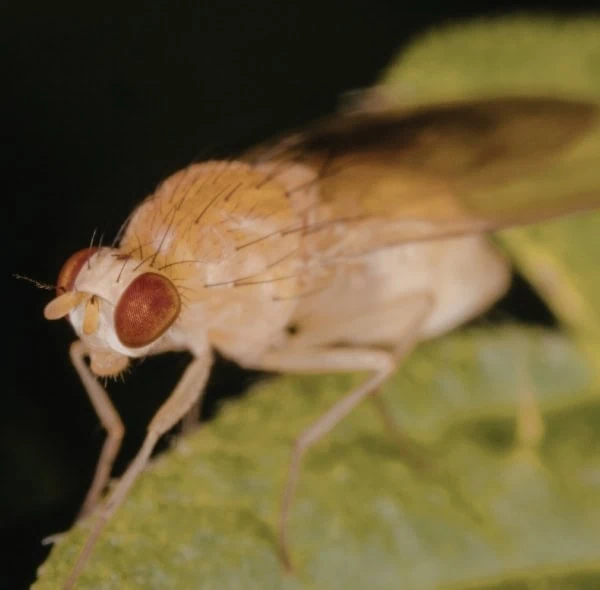
Fruit flies have a short life cycle of approximately 7 to 10 days. Because of this rapid development, effective fruit fly control must focus on eliminating breeding sources while controlling the adult population. The fruit fly life cycle includes 4 stages:
- Egg stage:
Eggs hatch within about 1 day.
- Larval stage:
Larvae develop in moist food sources or organic matter.
- Pupal stage:
This stage typically lasts only a few days.
- Adult stage:
Adults are able to reproduce soon after emergence.
Effective fruit fly pest control requires consistent management of breeding sites combined with insect control measures.
EFFECTIVE FLYING INSECT CONTROL APPROACH
Flying insect control for organizations requires structured procedures that can be managed, monitored, and documented. This approach must support hygiene and safety standards within the facility.
IFS begins with a detailed site survey and risk assessment. Control methods are then selected based on insect species, environmental conditions, and operational requirements. Service results are monitored continuously according to the service schedule.
All operations are performed by trained personnel following the company’s standard operating procedures.
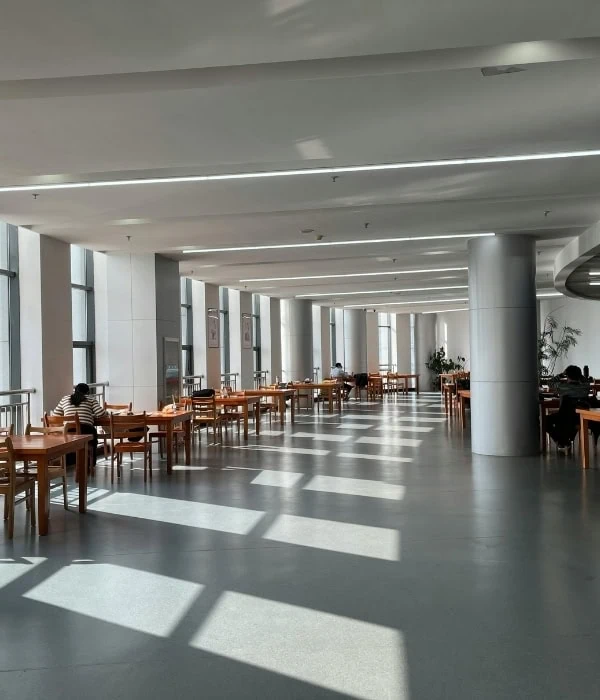
Indoor Flying Insect Pest Control
IFS designs indoor flying insect control programs to minimize disruption to business operations while maintaining hygiene, safety, and corporate image. Control methods are selected based on the building layout and operational activities.
Typical control methods include:
- ULV misting treatment:
Ultra-low volume misting allows insect control products to disperse into corners, hidden areas, and insect harbourage points. Application timing and dosage are carefully controlled.
- Installation of insect light traps:
- Insect light traps are installed in locations determined through site assessment.
- Targeted traps for high-risk areas:
Traps may be placed in waste rooms, food preparation areas, disposal zones, or locations with high moisture levels.
After each service visit, the team cleans equipment, checks operational readiness, and stores chemicals according to safety procedures. This ensures readiness for the next service cycle.
All procedures align with hygiene and operational standards commonly required in office buildings, industrial facilities, and food businesses.
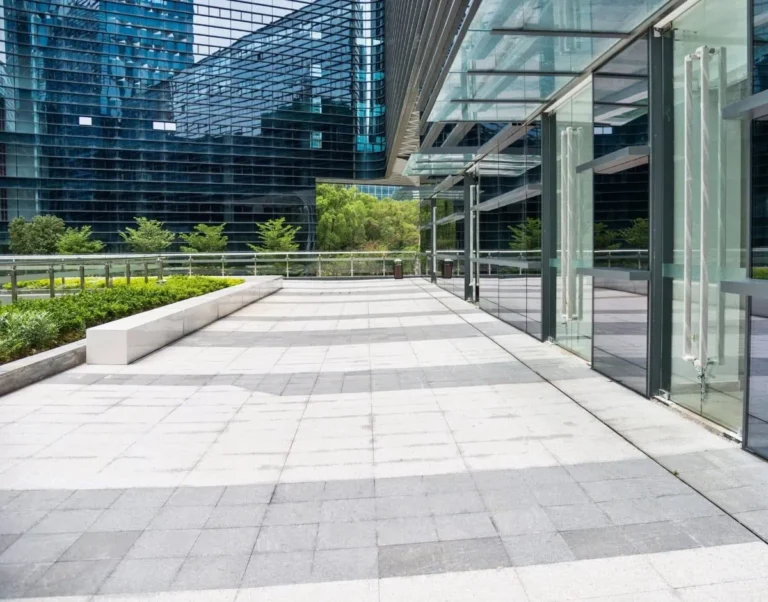
Outdoor Flying Insect Pest Control
Outdoor flying insect control focuses on addressing the root causes of infestations. This includes breeding sources, resting areas, and movement routes from outside into the building. Outdoor control acts as the first barrier to reduce insect entry into operational areas.
Typical outdoor measures include:
- Perimeter fogging treatment:
Fogging may be conducted around building perimeters and open areas to reduce flying insect populations. Wind direction, work boundaries, and timing are carefully managed to reduce impact on building occupants.
- Breeding source management:
Larvicide treatments may be applied to drainage channels, catch basins, and standing water areas to prevent larval development. Additional treatments may be applied to water surfaces in pipes or high-risk areas to interrupt insect life cycles.
- Residual treatment at insect resting areas:
Residual applications may be applied to shrubs, fence lines, and sheltered exterior areas where flying insects tend to rest before entering buildings.
All work is performed by trained personnel wearing appropriate personal protective equipment (PPE). Chemical products are used according to the required dilution ratios and Safety Data Sheet (SDS) guidelines.
Outdoor Flying Insect Pest Control
Outdoor flying insect control focuses on addressing the root causes of infestations. This includes breeding sources, resting areas, and movement routes from outside into the building. Outdoor control acts as the first barrier to reduce insect entry into operational areas.
Typical outdoor measures include:
- Perimeter fogging treatment:
Fogging may be conducted around building perimeters and open areas to reduce flying insect populations. Wind direction, work boundaries, and timing are carefully managed to reduce impact on building occupants.
- Breeding source management:
Larvicide treatments may be applied to drainage channels, catch basins, and standing water areas to prevent larval development. Additional treatments may be applied to water surfaces in pipes or high-risk areas to interrupt insect life cycles.
- Residual treatment at insect resting areas:
Residual applications may be applied to shrubs, fence lines, and sheltered exterior areas where flying insects tend to rest before entering buildings.
All work is performed by trained personnel wearing appropriate personal protective equipment (PPE). Chemical products are used according to the required dilution ratios and Safety Data Sheet (SDS) guidelines.

IFS FLYING INSECT CONTROL SERVICE PROCESS
IFS flying insect control services follow a structured process designed for organizational environments:
Site Inspection and Assessment

Analysis and
Service Planning

Implementation
of the Control Plan


Inspection and Service Reporting

Long-Term
Prevention Panning
Site Inspection and Assessment
Analysis and Service Planning.
Implementation of the Control Plan
Inspection and Service Reporting
Long-Term Prevention Panning
KEY ADVANTAGES OF IFS FLYING INSECT CONTROL SERVICES
IFS operates as a professional pest control service provider that understands organizational structures and corporate procurement processes. Our services are designed to support traceability and transparency at every stage.
This includes site assessment, indoor and outdoor insect control operations, and documented service reporting. These processes help organizations support internal audits and maintain hygiene and safety standards.
IFS personnel receive structured training in pest control operations and building service standards. Control methods and equipment are selected to align with workplace safety requirements.
IFS supports services across multiple facility types, including office buildings, industrial facilities, hospitals, and commercial projects. Our focus is systematic flying insect control that helps reduce hygiene risks and protect corporate image while supporting long-term maintenance planning.
FREQUENTLY ASKED QUESTIONS ABOUT FLYING INSECT CONTROL SERVICES
What types of businesses are these services suitable for?
Industrial facilities, office buildings, hotels, hospitals, and food businesses that need to maintain hygiene standards and control flying insect risks.
How long does it take to see results?
Most organizations begin to see improvement within one to two weeks, depending on infestation levels and environmental conditions.
Are IFS flying insect control services safe for employees and building occupants?
IFS uses approved chemical products and follows strict operational safety procedures.
Does service require business operations to stop?
In most cases, services can be conducted without interrupting normal operations because timing and treatment methods are carefully planned.
What service formats are available?
IFS offers both one-time treatments and annual service contracts for continuous control.
What insects are covered by this service?
The service covers flies, fruit flies, and other flying insects that commonly affect facilities.
Are service reports provided?
Yes. IFS provides a documented report after each service visit.
Can the service plan be adapted to meet factory or facility standards?
Yes. Control programs can be adjusted to align with the operational and compliance standards of each organization.
How is IFS different from general insect control services?
IFS focuses on systematic control. This includes source analysis, structured implementation, and continuous monitoring.
Why do organizations choose IFS for flying insect control services?
IFS has extensive experience, operates under professional standards, and provides traceable reporting systems that support organizational compliance and long-term risk management.
Request for a Free Consultation and Site Assessment by Our Experts
IFS provides professional pest prevention and control services and will recommend a control plan suited to your facility and risk profile.
IFS provides professional pest prevention and control services and will recommend a control plan suited to your facility and risk profile.