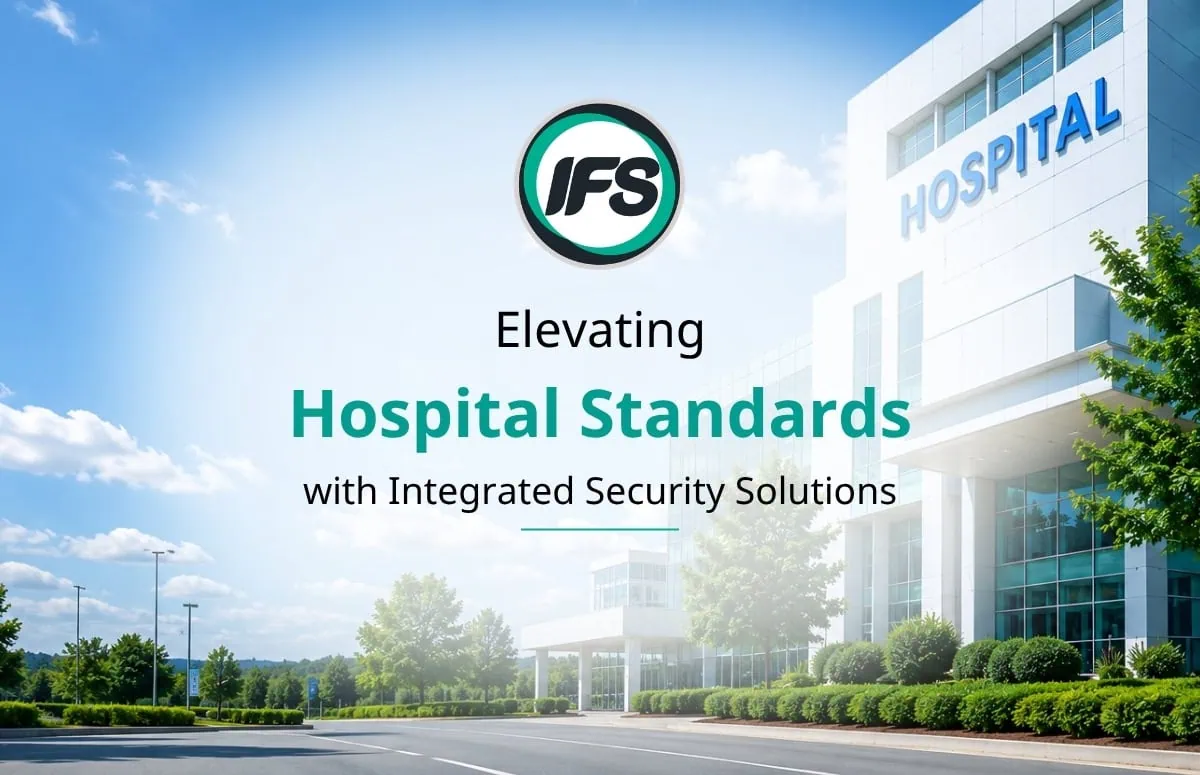
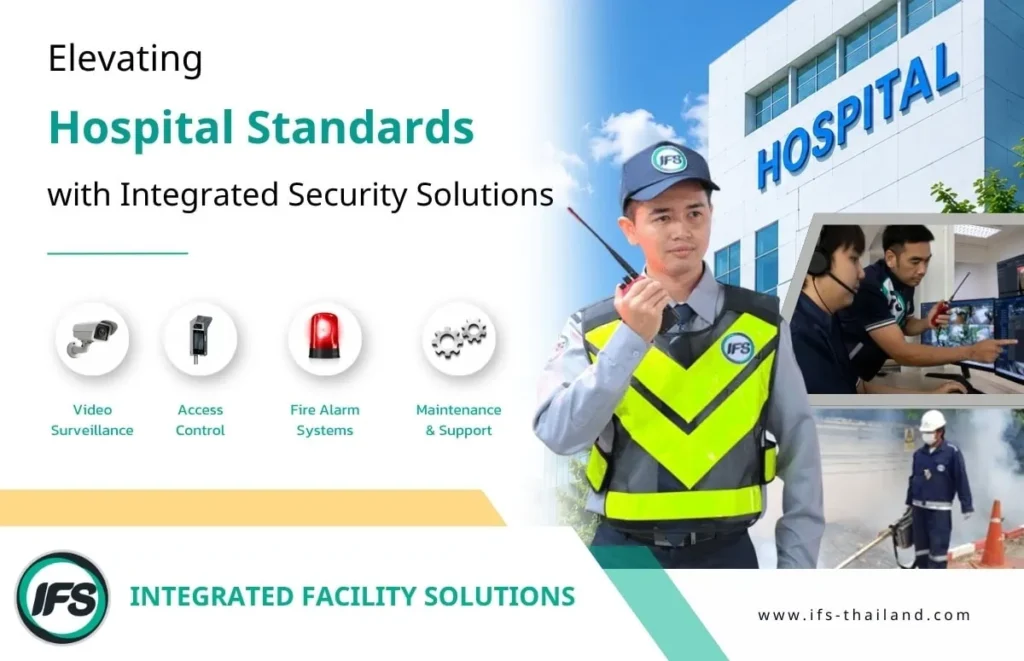
Hospital security solutions play a critical role in supporting safe, efficient, and uninterrupted healthcare operations. An effective hospital security system does more than prevent unexpected incidents. It also supports facility management, hygiene control, access management, and the continuous operation of critical building systems.
Today, hospitals face increasing operational challenges, including managing large numbers of visitors, controlling restricted areas, maintaining hygiene standards, and ensuring building systems remain fully operational at all times. As a result, hospital security solutions must integrate technology, trained personnel, and structured management processes to support modern healthcare environments effectively.
Modern Hospital Safety Standards Require Integrated Security Management
Enhancing hospital safety standards requires a comprehensive approach that covers access control, visitor management, hygiene management, surveillance, and building support systems.
IFS Group integrates security technologies and facility management services to help healthcare facilities improve operational efficiency and maintain high safety standards. The company’s integrated solutions include:
- Electronic security systems.
- Security guard services.
- IFS Remote Detect.
- Pest and termite control services.
- Technical and engineering services.
These integrated hospital security solutions help healthcare facilities reduce operational risks, improve situational awareness, and maintain a safer environment for patients, staff, and visitors.
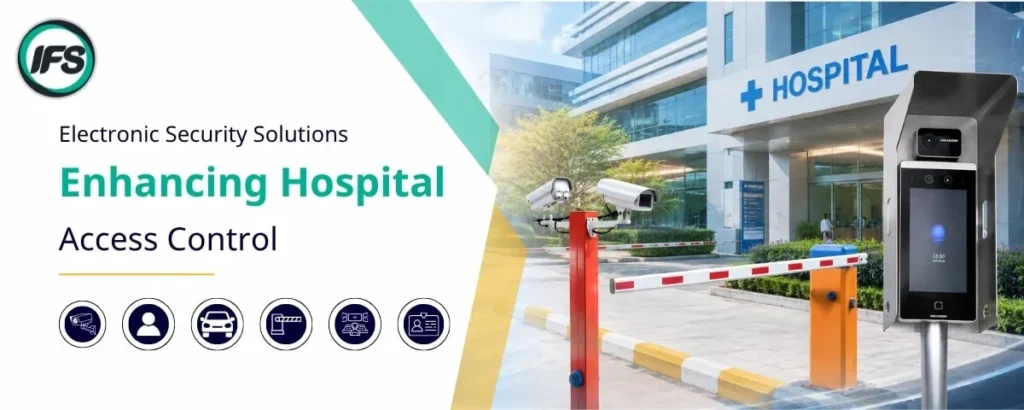
Electronic Security Systems: Improving Access Control and Hospital Area Management
Electronic security systems use advanced technologies and security devices to support access control, visitor management, and monitoring within hospitals. These systems help healthcare facilities improve operational visibility and strengthen security management.
The solutions cover everything from monitoring people and vehicles at entry and exit points to controlling access to restricted areas such as pharmacies, control rooms, and staff-only zones. Integrated CCTV systems and surveillance technologies also help hospitals monitor activities continuously and investigate incidents more efficiently.
Electronic Security Solutions Used by IFS Group:
- Access control systems that manage entry permissions for restricted areas.
- Visitor management systems that register and track visitor access.
- License plate recognition systems that monitor vehicle entry and exit.
- Automatic barrier gate systems that regulate vehicle access efficiently.
- Automatic card issuing systems that reduce processing time and improve access convenience.
- CCTV and surveillance systems that support real-time monitoring and incident review.
These hospital security systems help improve access management, visitor control, and incident monitoring while supporting the safety of patients, healthcare personnel, and visitors.
Common Challenges Hospitals Face Without Electronic Security Systems
- Unauthorized access to restricted areas.
- Inefficient visitor tracking and monitoring.
- Delayed incident response times.
- Limited visibility into hospital operations.
- Increased operational and security risks.
By implementing integrated electronic security systems, hospitals can improve operational transparency and strengthen healthcare facility security management.
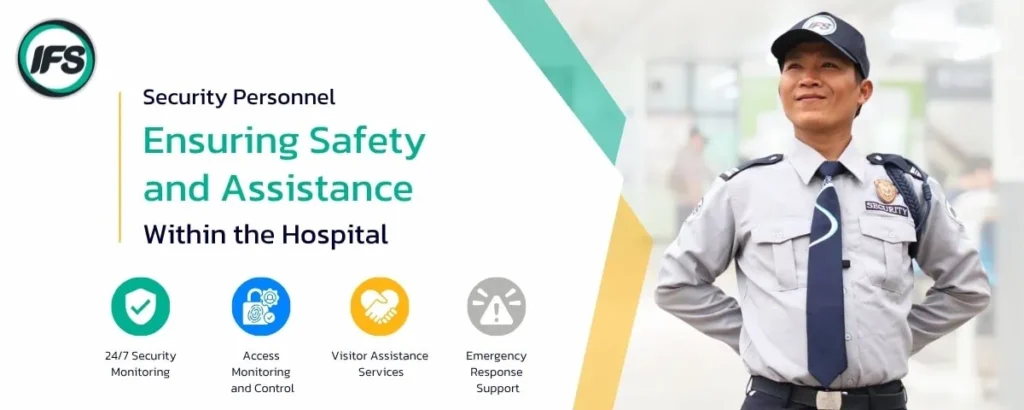
Security Guard Services: Supporting Safety and Operational Efficiency in Hospitals
Although technology plays an important role, trained personnel remain a critical component of hospital security solutions. Hospital security operations require both service-oriented communication skills and the ability to manage incidents effectively within healthcare environments.
IFS Group emphasizes professional recruitment and training programs to ensure security personnel are prepared to support hospital operations. Responsibilities include maintaining order, assisting visitors, controlling restricted areas, and coordinating emergency responses.
Key Responsibilities of Hospital Security Personnel:
- Maintaining order and assisting visitors.
- Managing access to restricted areas.
- Coordinating emergency response procedures.
- Conducting patrols and reporting operational findings.
IFS Group continuously develops operational standards and training programs for security personnel to ensure hospital security operations remain structured, accountable, and aligned with healthcare facility requirements.
Best Practices for Hospital Security Personnel
- Maintain clear communication with hospital staff and visitors.
- Follow structured emergency response procedures.
- Monitor high-risk areas consistently.
- Document incidents accurately and promptly.
- Coordinate closely with electronic surveillance systems.
This integrated approach helps hospitals improve both operational efficiency and patient confidence.
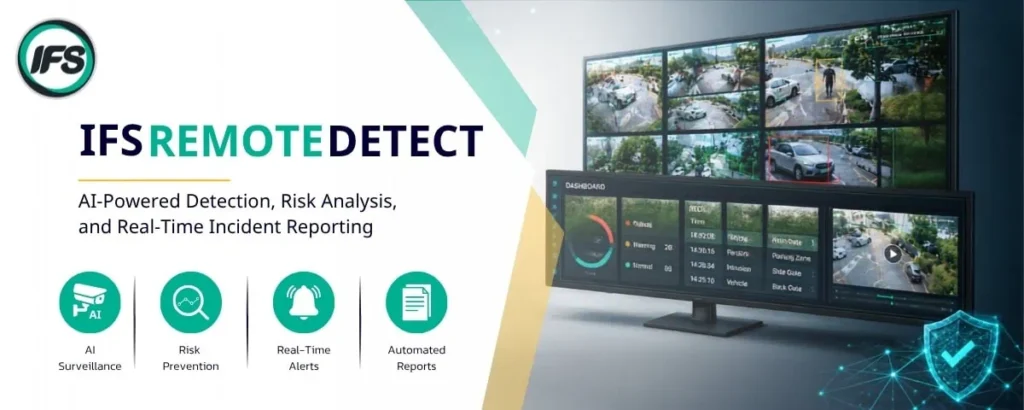
IFS Remote Detect: AI-Powered Real-Time Risk Detection and Surveillance
IFS Remote Detect is an advanced hospital security solution developed by IFS Group to support proactive 24/7 surveillance and risk monitoring.
The system integrates intrusion detection technologies, AI-powered analytics, and the IFS Central Monitoring & Command Centre to monitor, analyse, and respond to abnormal events in real time.
How IFS Remote Detect Works
- Defines surveillance and monitoring zones.
- Detects movement and unauthorized access attempts.
- Uses AI technologies to analyse incidents.
- Sends alerts directly to the monitoring and command centre.
One of the key advantages of IFS Remote Detect is its ability to distinguish between people, animals, and vehicles through advanced video analytics technology. This helps reduce false alarms and improves surveillance efficiency for high-risk and perimeter areas.
The solution can also support monitoring around building perimeters, entrances, exits, and critical risk zones that require continuous surveillance.
IFS Remote Detect is more than a traditional CCTV solution. It enhances the effectiveness of electronic security systems and on-site security personnel by improving surveillance accuracy, detection capabilities, and incident response speed.
Information Gain: Why AI Surveillance Matters in Modern Hospitals
Traditional surveillance systems often rely heavily on manual monitoring, which may delay incident detection. AI-powered hospital security solutions can help healthcare facilities improve response times, reduce human error, and strengthen proactive risk management.
In healthcare environments where operational continuity is critical, real-time detection technologies can support both patient safety and facility protection.
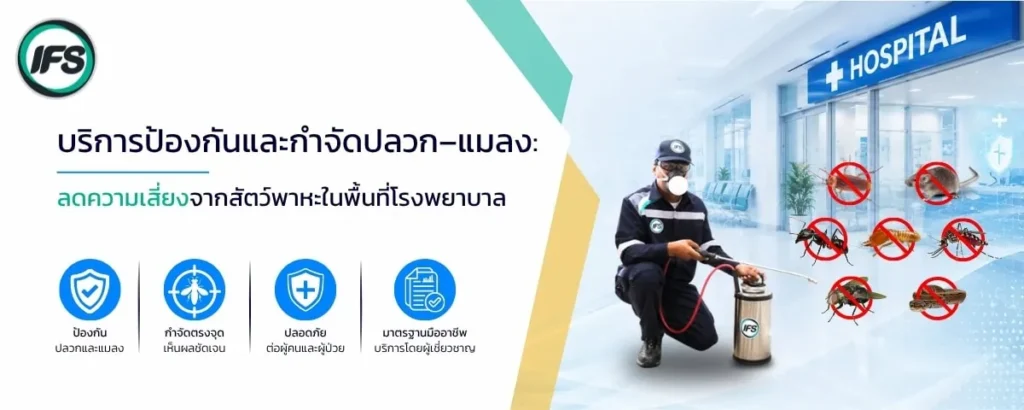
Pest and Termite Control Services: Reducing Hygiene Risks in Hospitals
Hospital safety is not limited to access control and surveillance. Proper hygiene management is equally important because pests and unwanted animals may carry diseases and negatively affect public confidence in healthcare facilities.
IFS Group provides pest and termite control services to help hospitals reduce hygiene risks and maintain a safer environment. Services cover:
- Cockroaches.
- Rodents.
- Termites.
- Ants.
- Flies.
- Mosquitoes.
- Snakes.
IFS Group carefully plans pest control operations based on hospital environments and prioritizes the safety of patients, staff, and visitors while minimizing operational disruption.
In addition, IFS specialists conduct site inspections, risk assessments, and preventive planning to help healthcare facilities manage pest-related risks more effectively and support hospital hygiene standards.
Why Preventive Pest Control Matters in Healthcare Facilities
Preventive pest management helps hospitals:
- Reduce contamination risks.
- Improve hygiene compliance.
- Protect medical equipment and infrastructure.
- Enhance patient confidence.
- Support healthcare accreditation standards.
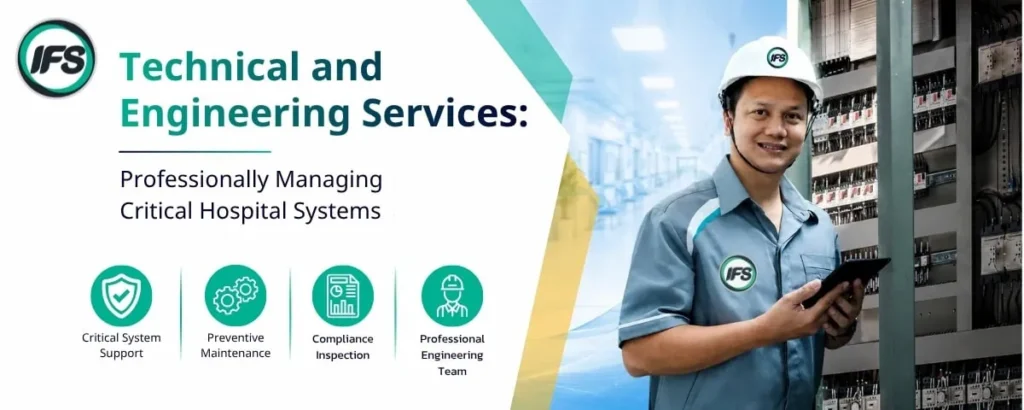
Technical and Engineering Services: Supporting Critical Hospital Infrastructure
Hospitals rely heavily on engineering systems and building infrastructure to maintain continuous operations and support patient care effectively.
IFS Group provides technical and engineering services that help hospitals manage and maintain critical building systems professionally and systematically.
Technical and Engineering Services Provided by IFS Group
- HVAC and ventilation system maintenance to support suitable indoor environments.
- Electrical system inspections and preventive maintenance to reduce operational risks.
- Plumbing and water system management to support continuous facility operations.
- Inspection and maintenance of building equipment to reduce unexpected failures.
- Preventive maintenance planning to support long-term hospital operations.
IFS Group emphasizes structured maintenance planning because failures in critical building systems can significantly disrupt healthcare operations. Problems such as electrical failures, ventilation issues, or unavailable operational areas may affect patient services and hospital efficiency.
Continuous monitoring and preventive maintenance therefore play an essential role in supporting safe and uninterrupted healthcare operations.
Information Gain: The Importance of Preventive Maintenance in Hospitals
Preventive maintenance is one of the most important strategies for healthcare facility management because hospitals operate continuously and cannot afford extended downtime.
A structured preventive maintenance program helps:
- Reduce emergency repair costs.
- Improve system reliability.
- Extend equipment lifespan.
- Minimize operational disruptions.
- Support compliance with healthcare standards.
Hospitals that implement preventive maintenance strategies are better equipped to maintain long-term operational efficiency and patient safety.
Hospitals that implement proactive hygiene management strategies are better positioned to maintain operational continuity and public trust.
A Safe Hospital Starts with Professional Facility and Security Management
Effective hospital security solutions require more than a single layer of protection. Hospitals must integrate technology, security personnel, surveillance systems, hygiene management, and facility management to support safe and continuous healthcare operations.
As a trusted integrated facility management provider, IFS Group supports healthcare facilities with comprehensive security and building management solutions designed to improve hospital safety standards and operational efficiency.
IFS Group also collaborates with healthcare organizations to establish operational guidelines and standard operating procedures that align with the specific requirements of each facility.
If your organization is looking for hospital security solutions that combine access control, surveillance, hygiene management, and building support systems, the IFS team is ready to provide consultation, operational planning, and customized solutions tailored to your healthcare environment.
By implementing integrated hospital security systems and professional facility management strategies, healthcare organizations can strengthen safety standards, improve operational continuity, and enhance confidence among patients, staff, and visitors.
FAQ: Hospital Security Solutions and Healthcare Facility Safety
Q: Why are hospital security solutions important?
A: Hospital security solutions help healthcare facilities manage access control, improve visitor management, reduce operational risks, and support continuous healthcare operations.
Q: What do modern hospital safety standards include?
A: Modern hospital safety standards cover access management, visitor control, surveillance systems, hygiene management, and building support systems.
Q: What is IFS Remote Detect?
A: IFS Remote Detect is an AI-powered remote surveillance solution that combines intrusion detection technology with the IFS Central Monitoring & Command Centre for real-time risk monitoring.
Q: How do electronic security systems benefit hospitals?
A: Electronic security systems improve access control, visitor management, surveillance efficiency, and incident response capabilities within healthcare facilities.
Q: Why is preventive maintenance important for hospitals?
A: Preventive maintenance helps reduce system failures, improve operational continuity, minimize risks, and support long-term healthcare facility performance.
Q: How can pest control services support hospital safety?
A: Pest control services help reduce hygiene risks, support infection prevention efforts, and maintain a safer environment for patients and healthcare personnel.